
The Ultimate Guide to Spotting Termite Damage in Tucson Real Estate Disclosures
The Desert’s Silent Threat: Termites in Tucson
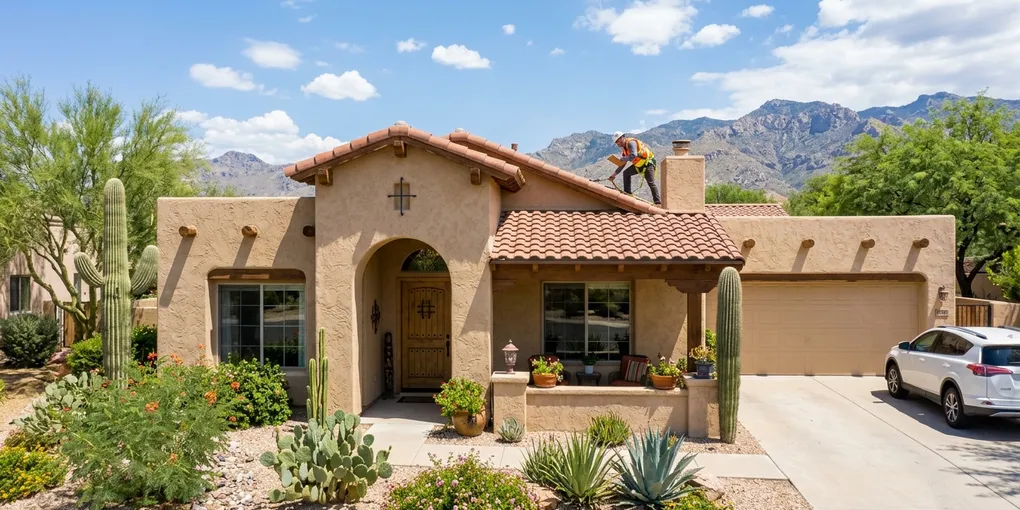
Tucson’s unique desert landscape, stunning mountain views, and beautiful Southwestern architecture make it a highly desirable place to live. However, the same environment that attracts homebuyers also harbors a significant threat to their investments: termites. Despite the arid climate, Tucson is a hotspot for both subterranean and drywood termites. The native Sonoran Desert ecosystem is full of these wood-destroying insects, and when homes are built, they provide an abundant new food source.
Subterranean termites, the most destructive type in Arizona, live deep underground and build mud tubes over concrete foundations or inside walls to reach the wood framing of a house. The monsoon season in Tucson brings sudden moisture, triggering massive termite swarms and encouraging colony expansion. Furthermore, the common use of stucco over wood framing (often close to the soil line) creates hidden pathways for termites to enter undetected. For a Tucson homebuyer, understanding how to decipher property disclosures for signs of termite history is absolutely essential to avoid buying a structurally compromised home.
Tired of manually reading 200-page disclosures?
Let DisclosurePro AI scan your documents for hidden termite damage, structural issues, and unpermitted work in 10 seconds. Try it free today.
Arizona Real Estate Disclosure Laws
In Arizona, sellers are legally obligated to disclose any known material facts that could negatively affect the value or desirability of the property. This is accomplished through the Seller’s Property Disclosure Statement (SPDS), a comprehensive document covering everything from roof condition to plumbing issues.
The SPDS specifically includes a section on “Environmental and Other Conditions,” which asks sellers if they are aware of any past or present wood-destroying organism infestations or if the property has ever been treated for them. It also requires the seller to disclose if they have any active pest control warranties. However, the caveat is always “known” issues. Sellers are not required to conduct inspections before selling, meaning hidden damage often goes undisclosed simply because the seller was unaware. Additionally, sellers may list a “preventative treatment” without disclosing the actual damage that prompted the treatment in the first place.
The Manual Review Problem: Overlooking the Obvious
Reviewing the SPDS along with hundreds of pages of title reports, HOA CC&Rs, and past repair invoices is an exhausting process for any homebuyer. In a competitive market, buyers are often rushed to review these documents, leading to “disclosure fatigue.”
This fatigue is dangerous when it comes to termites. A seller might include an invoice from a pest control company labeled “routine exterior spray.” To the untrained eye, this looks like diligent maintenance. But a closer look at the fine print might reveal that it was a localized termiticide application near the master bathroom shower pan—a classic entry point for subterranean termites seeking moisture. Sellers use euphemisms like “minor wood rot replaced” or “settlement cracks repaired” to downplay what might actually be the aftermath of a termite feast. Finding these clues requires a meticulous manual review that most buyers simply cannot sustain.
Case Study: The Foothills Fiasco
Consider a hypothetical buyer, Elena, who purchased a beautiful, mid-century modern home in the Catalina Foothills. The SPDS noted “repaired drywall in the garage in 2022” and listed an active termite warranty with a local pest control company. Reassured by the warranty, Elena proceeded with the purchase, assuming the property was protected.
Two years later, Elena decided to renovate the kitchen, which shared a wall with the garage. When the cabinets were removed, the contractors discovered massive structural damage. Subterranean termites had traveled up through a crack in the garage slab, completely hollowed out the shared wall studs, and moved into the kitchen ceiling joists. The “drywall repair” in the disclosure was the seller covering up the visible signs of the infestation. While the termite warranty covered a retreatment of the soil, it did not cover structural damage repair. Elena was left with a $35,000 bill to reframe the kitchen and garage walls.
Frequently Asked Questions about Termites in Tucson
Are termites really that common in the desert?
Yes, extremely common. The Sonoran Desert is a natural habitat for termites. When homes are built and irrigation is introduced, it creates an ideal environment for them to thrive.
What should I look for in the Arizona SPDS?
Pay close attention to mentions of “pest warranties,” “drill marks in the patio/garage slab,” “moisture issues near plumbing,” or vague “wood repairs” around the exterior of the home.
Is a termite warranty a guarantee that the house is safe?
No. Most termite warranties only cover the cost of retreating the property if termites return; they rarely cover the cost of repairing the structural damage the termites caused. Always get a separate Wood Destroying Insect Inspection Report (WDIIR).
Protect Your Investment with DisclosurePro AI
Don't rely on a hasty, manual read-through to protect your life savings. Upload your 100+ page disclosure packet, and our advanced AI will scan the entire document in seconds to find hidden structural red flags, unpermitted work, and pest damage.