
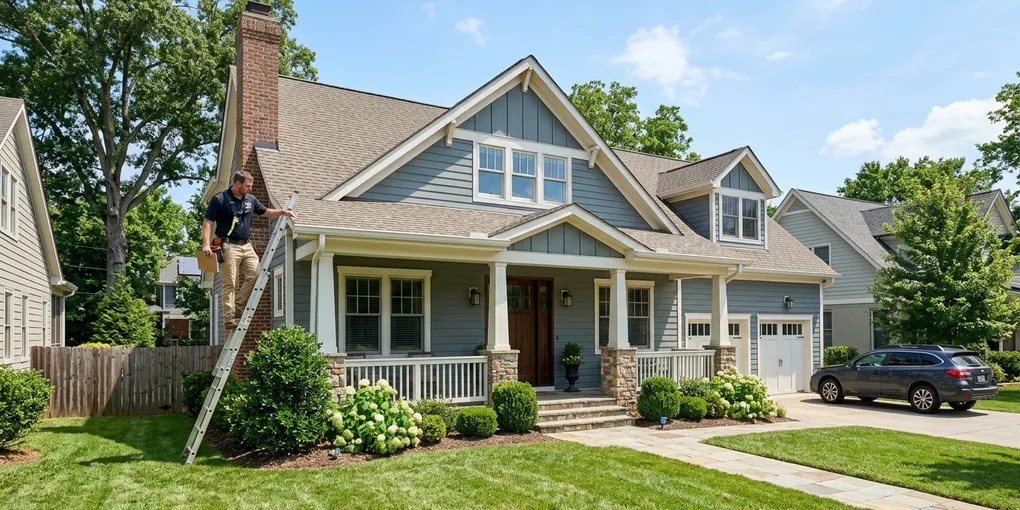
The Ultimate Guide to Spotting Termite Damage in Nashville Real Estate Disclosures
The Hidden Threat in Music City’s Booming Market
Nashville is booming. From the historic Craftsman homes in East Nashville to the sprawling new builds in Williamson County, the real estate market is moving at lightning speed. But amidst the excitement of buying a home in Music City, buyers face a significant and often hidden threat: termites. Tennessee’s climate—characterized by hot, humid summers and mild winters—provides the perfect breeding ground for subterranean termites.
These silent destroyers thrive in the moist soil of Middle Tennessee. They build mud tubes up the foundations of homes, seeking out the cellulose in floor joists, wall studs, and support beams. Because they consume wood from the inside out, a home can look perfectly sound on the surface while suffering massive structural failure underneath. In Nashville, where many older homes have crawl spaces that trap moisture, the risk is exceptionally high. For a homebuyer, missing the subtle signs of past termite damage in property disclosures can lead to catastrophic financial losses.
Tired of manually reading 200-page disclosures?
Let DisclosurePro AI scan your documents for hidden termite damage, structural issues, and unpermitted work in 10 seconds. Try it free today.
Tennessee Real Estate Disclosure Laws
In Tennessee, sellers of residential properties are required to provide a Tennessee Residential Property Condition Disclosure form. This legally binding document obligates the seller to disclose any known material defects that could affect the property’s value or safety.
The disclosure form specifically asks if the seller is aware of any past or present wood-destroying insect infestations, or if the property has ever been treated for them. It also asks about any known damage caused by these pests. However, a critical loophole exists: the seller is only required to disclose what they actually know. If a homeowner has never ventured into their crawl space and is unaware that termites are eating their floor joists, they can check “No” without violating the law. Furthermore, if a seller paid for a pest treatment years ago, they might disclose the treatment but intentionally use vague language to obscure the extent of the structural damage that prompted it.
The Manual Review Problem: Finding the Red Flags
When you go under contract on a house in Nashville, you are quickly inundated with paperwork: the seller’s disclosure, title commitments, HOA guidelines, and past inspection reports. Manually reading through hundreds of pages of legal jargon is an exhausting process, and “disclosure fatigue” sets in rapidly.
Sellers and listing agents are adept at framing issues to look like minor maintenance. A disclosure might mention “replaced a few boards on the back deck” or “installed a vapor barrier in the crawl space.” While these sound like responsible homeownership, they are often massive red flags. A new vapor barrier might have been installed to stop the moisture that was attracting a massive termite colony. Finding these hidden connections requires meticulously cross-referencing dates on contractor invoices with the seller’s statements—a task that is incredibly difficult for a buyer to do manually while managing the stress of a move.
Case Study: The East Nashville Heartbreak
Consider a hypothetical buyer, James, who bought a beautifully renovated 1930s cottage in East Nashville. The seller’s disclosure noted “crawl space encapsulated and treated for moisture in 2021.” James assumed the home was in great shape and waived the pest inspection to beat out multiple other offers.
Six months after moving in, the hardwood floors in the hallway began to buckle. A structural engineer discovered that the “moisture treatment” in 2021 was actually a desperate attempt to stop an active subterranean termite infestation. The termites had already destroyed the main carrying beam and several floor joists. The seller had encapsulated the crawl space, effectively hiding the damage, and laid new flooring over the sagging structure. The cost to lift the house, replace the beam and joists, and retreat the soil was $42,000. Because the seller disclosed the “moisture treatment,” proving intent to deceive was nearly impossible, leaving James to foot the entire bill.
Frequently Asked Questions about Termites in Nashville
Are termites a major issue in Middle Tennessee?
Yes. The humid climate and prevalence of homes with crawl spaces make Nashville a high-risk area for subterranean termites.
What are the buzzwords for termite issues in Tennessee disclosures?
Watch out for phrases like “crawl space encapsulation,” “moisture remediation,” “sistering joists,” “sill plate repair,” or mentions of “termite bait stations” around the property.
Should I waive the termite inspection to win a bidding war?
Never. In Tennessee, a Wood Destroying Insect (WDI) inspection (often called a “termite letter”) is crucial. Waiving it exposes you to massive financial risk.
Protect Your Investment with DisclosurePro AI
Don't rely on a hasty, manual read-through to protect your life savings. Upload your 100+ page disclosure packet, and our advanced AI will scan the entire document in seconds to find hidden structural red flags, unpermitted work, and pest damage.