
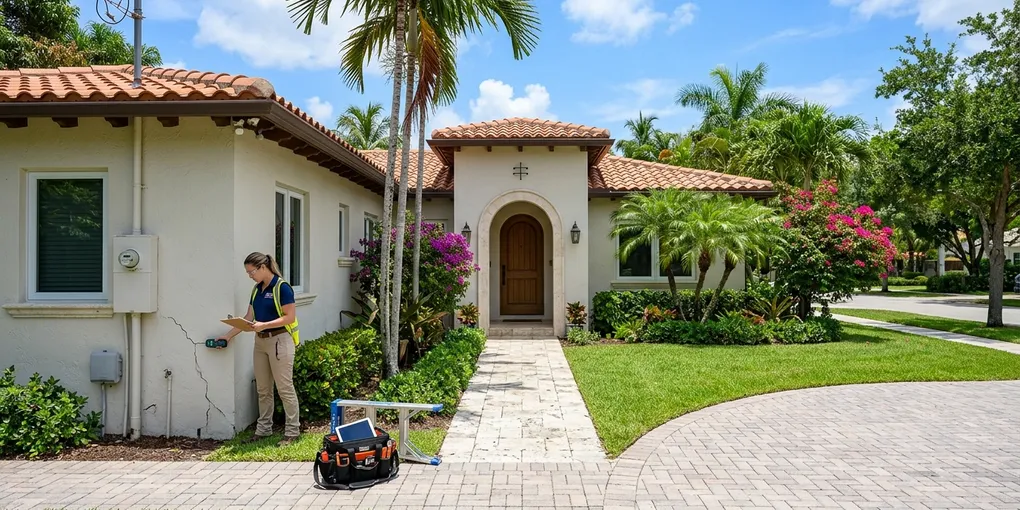
The Ultimate Guide to Spotting Termite Damage in Miami Real Estate Disclosures
As an expert real estate attorney and top-producing local real estate agent in Miami, FL, I’ve seen firsthand how a dream home can turn into a financial nightmare due to hidden termite damage. In this comprehensive guide, we’ll dive deep into everything Miami homebuyers need to know about termites, real estate disclosures, and how to protect your investment.
The Hidden Threat: Termites in Miami
Termites are more than just a nuisance; they are a severe threat to the structural integrity of your home. In Miami, the specific climate and housing stock create unique challenges when it comes to wood-destroying insects.
Why Miami’s Climate Exacerbates Termite Issues
Miami experiences weather patterns that can create ideal conditions for subterranean and drywood termites. Moisture, humidity, and the age of many historical districts in Miami mean that older wooden structures are particularly vulnerable. Termites thrive in environments where wood meets soil or where moisture accumulates due to poor drainage.
The Biology and Mechanics of Termite Damage
Understanding how termites operate is crucial. These pests consume cellulose, the primary component of wood. Over time, a colony can eat away at the load-bearing beams of a house, causing sagging floors, cracked walls, and ultimately, structural failure. Because they often work from the inside out, the damage can remain invisible for years, making the disclosures packet your most vital tool during the home buying process.
Furthermore, the complex interaction between soil types, moisture levels, and building materials creates a constantly evolving landscape of risk for homeowners. It is not enough to simply rely on a standard home inspection. Specialized knowledge of how these pests migrate, colonize, and ultimately destroy structural elements is paramount. For instance, subterranean species build mud tubes to travel from the soil to the wood, bypassing concrete foundations entirely. Drywood species, on the other hand, can enter through the smallest crevices in roofing or siding, establishing colonies high up in the framing. This means that a comprehensive defense strategy requires vigilance from the foundation to the roofline. Historical data shows that properties left unchecked can lose significant market value, as the structural integrity is compromised over years of silent damage. Real estate professionals constantly emphasize the importance of preventative measures, but the reality is that many properties change hands with these hidden issues already deeply entrenched in the structure. Therefore, the due diligence period is the most critical phase of any real estate transaction, offering a brief window to uncover the truth hidden within the walls.
Tired of manually reading 200-page disclosures?
Let DisclosurePro AI scan your documents for hidden termite damage, structural issues, and unpermitted work in 10 seconds. Try it free today.
FL Real Estate Disclosure Laws: What You Must Know
When purchasing a property in Miami, you rely heavily on the seller’s disclosures.
Legal Obligations in FL
In FL, sellers are legally mandated to disclose any known material defects that could affect the value or desirability of the property. This includes past or present termite infestations and any subsequent repairs or treatments. However, the exact forms—such as the FL Property Condition Disclosure Statement—can be lengthy and complex.
What Sellers Reveal vs. Conceal
While the law requires honesty, sellers and their agents sometimes use vague language to downplay the severity of an issue. Phrases like “prior treatment,” “settlement cracks,” or “preventative maintenance” can be red flags masking a history of severe termite damage. It is up to the buyer and their representation to read between the lines.
The Manual Review Problem: A Needle in a Haystack
Imagine receiving a 500-page disclosure packet. Buried on page 247 is a brief mention of “termite activity observed in the garage in 2018.” For a homebuyer, manually reading through hundreds of pages of legal jargon and poorly scanned documents is incredibly difficult and risky.
The Risk of Missing Key Information
If you miss that single line, you might skip a specialized pest inspection. Months after closing, you could discover that the “activity” was actually a massive infestation that compromised the roof trusses. The manual review process is fundamentally flawed because it relies on human endurance and attention to detail, both of which fade after reading dozens of pages of legalese.
Financial Impact: A Miami Case Study
Let’s look at a hypothetical but entirely realistic case study of a homebuyer in a popular Miami neighborhood.
The Dream Home Disaster
Sarah and John found their dream home in a historic part of Miami. The disclosures mentioned “some wood damage repaired by previous owner.” Exhausted by the buying process, they didn’t press for details or hire a specialized termite inspector.
Six months after moving in, they decided to remodel the bathroom. When the contractor opened the walls, the devastation was clear. Termites had hollowed out the studs and joists. The “repaired wood damage” was merely cosmetic patching over structural failure.
The Cost of Negligence
The estimated repair costs were staggering:
- Structural framing repair: $25,000
- Eradication and tenting: $3,500
- Cosmetic repairs and drywall: $8,000 Total out-of-pocket cost: $36,500
This financial devastation could have been avoided if the disclosures were properly analyzed and the vague language challenged.
Frequently Asked Questions about Termites in Miami
1. How common are termites in Miami? Very common. The combination of weather and older housing stock makes Miami a hotspot for termite activity. It’s not a matter of if a house will get termites, but when.
2. Does homeowner’s insurance cover termite damage in FL? Generally, no. Termite damage is considered a maintenance issue, which is why uncovering past infestations during the disclosure period is absolutely critical.
3. What should I do if a Miami seller discloses past termite treatments? Request all documentation, including invoices and warranties from the pest control company. Additionally, hire your own independent inspector to verify the structural integrity of the home.
4. Can I sue the seller if I find termites after closing? It’s difficult and expensive. You must prove that the seller knew about the active infestation and intentionally concealed it on the FL disclosure forms. It’s much better to catch it before closing.
Protect Your Investment with DisclosurePro AI
Don't rely on a hasty, manual read-through to protect your life savings. Upload your 100+ page disclosure packet, and our advanced AI will scan the entire document in seconds to find hidden structural red flags, unpermitted work, and pest damage.