
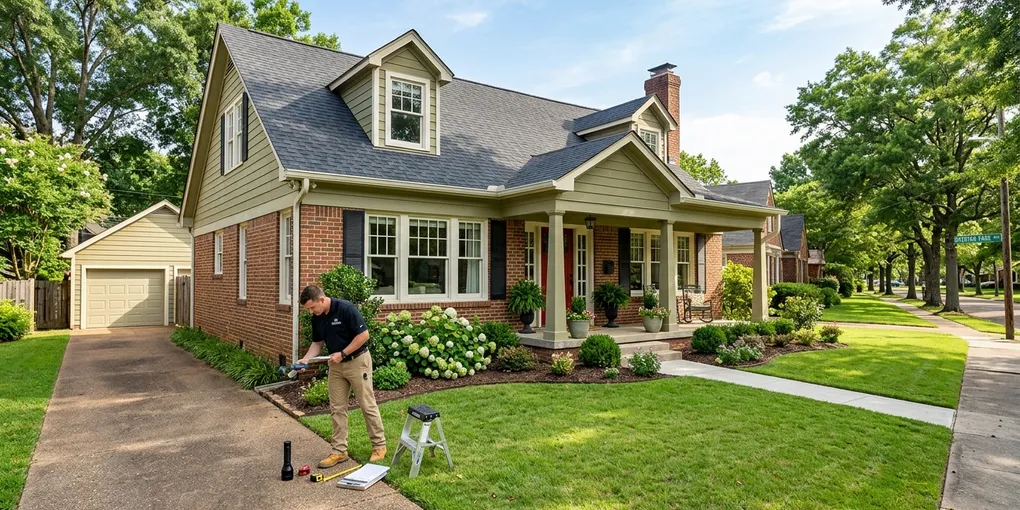
Memphis, TN Termite Disclosures: Crawlspace Moisture, Formosan Risks & Seller Credits
Situated along the warm, humid Mississippi River bluff with over 53 inches of annual rainfall, Memphis and Shelby County, Tennessee rank inside the U.S. Forest Service “Very Heavy” Termite Infestation Probability Zone—the highest risk tier in North America.
Whether you are buying a 1920s Four-Square or bungalow with a conventional crawlspace in Midtown, Cooper-Young, Central Gardens, or High Point Terrace, or a brick slab home in East Memphis, Germantown, Cordova, or Bartlett, undetected termite damage can silently destroy floor girders, rim joists, and wall studs—sticking buyers with $10,000 to $35,000+ in structural repairs.
Why Memphis Homes Face Extreme Subterranean & Formosan Termite Pressure
Two biological and construction realities make Shelby County uniquely unforgiving when buyers rush past pest disclosures:
1. Native Eastern Subterranean + Invasive Formosan Super-Colonies
Memphis doesn’t just contend with native eastern subterranean termites—documented Formosan subterranean termite (Coptotermes formosanus) populations in Shelby County build massive aerial and underground carton nests numbering several million workers per colony. Formosan colonies chew through structural framing 3 to 5 times faster than native species and can sustain above-ground “carton nests” inside damp wall cavities using roof or plumbing leaks alone, even after soil barriers are applied!
2. Unencapsulated Midtown Crawlspaces & Loess Silt Soil
Historic Midtown Memphis homes sit over vented brick-pier crawlspaces atop moisture-retentive windblown loess silt. During humid 95°F Delta summers, warm outdoor air enters crawlspace vents, condenses against cool air-conditioned floor joists, and pushes wood moisture content above 20%—triggering simultaneous wood-rot fungus and subterranean termite mud-tube highways along main support beams.
Reviewing a Memphis RF201 Disclosure or Inspection Packet?
Upload your Tennessee Property Condition Disclosure, CL-100 / NPMA-33 termite letter, and home inspection PDF to DisclosurePro AI to uncover buried structural traps in seconds. Analyze your 1st property free.
Decoding Tennessee’s Property Condition Disclosure (TAR Form RF201)
Under the Tennessee Residential Property Condition Disclosure Act (Tenn. Code Ann. § 66-5-201 et seq.), most Memphis home sellers must complete Tennessee Realtors Form RF201—unless they qualify for a statutory exemption (such as non-occupant estate/trust sales or certain investor/foreclosure transfers using Exemption Form RF203).
Watch out for three classic Mid-South disclosure traps:
- “Retreat-Only” vs. “Repair & Retreat” Termite Bonds: Listing remarks in Memphis frequently boast “Active transferable termite contract with local pest company!” Always request the actual contract document and inspection history. Many basic contracts are Retreat-Only (they only re-spray chemical if bugs return, paying $0 toward $20,000 of eaten floor joists!)—and virtually all bonds exclude Formosan termites unless a special Formosan rider was purchased.
- Investor Flip Exemptions (
RF203) & Freshly Painted Floor Joists: Out-of-state turnkey rental or flip LLCs sometimes claim unfamiliarity with prior history while spraying black or white encapsulant paint across Midtown crawlspace joists—hiding sistered, notched, or termite-tunneled sills. Always hire an independent Tennessee Charter-licensed WDO inspector to probe joists physically with an awl. See more common seller disclosure red flags buyers miss. - Brick Veneer Below Soil Grade: Across East Memphis and Cordova slab homes, mulch piled above the brick-veneer ledge gives termites hidden behind-brick access straight into wooden rim plates.
Memphis Termite Remediation & Crawlspace Repair Costs
Use realistic Shelby County contractor pricing when structuring your seller repair credit addendum:
- Official NPMA-33 Tennessee Termite Letter (WDI Inspection): $85 – $165
- Liquid Termidor Trench/Drill Barrier or Sentricon Bait System Installation: $1,200 – $2,600
- Midtown Crawlspace Sill-Plate, Rim-Joist & Drop-Girder Structural Jacking/Replacement: $5,500 – $22,000+
- Crawlspace Vapor Barrier Encapsulation + Commercial Dehumidifier (Moisture Cure): $4,800 – $12,000
Frequently Asked Questions About Termites in Memphis, TN
What is a “Termite Letter” in Tennessee real estate?
In Memphis, a “Termite Letter” refers to the standardized NPMA-33 Wood Destroying Insect Inspection Report completed within 30–90 days of closing by a pest control operator chartered by the Tennessee Department of Agriculture. VA and FHA lenders (and smart conventional/cash buyers) rely on this report to verify there is no visible active infestation prior to closing.
Should the seller or buyer pay for the Termite Letter in Memphis?
Under the Tennessee Realtors Purchase and Sale Agreement (RF401), inspection costs default to the buyer unless negotiated otherwise, while remediation of active infestation can be negotiated as a seller repair or closing cost credit during the Inspection Resolution period.