
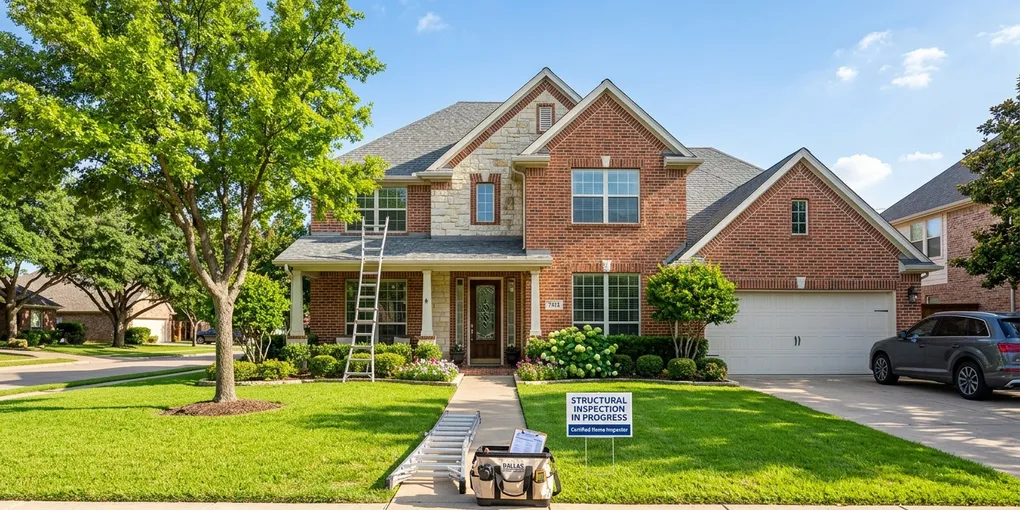
The Ultimate Guide to Spotting Termite Damage in Dallas Real Estate Disclosures
The Ultimate Guide to Spotting Termite Damage in Dallas Real Estate Disclosures
If you’re preparing to buy a home in Dallas, TX, congratulations! You’re looking at one of the most exciting, vibrant, and challenging real estate markets in the country. But beneath the fresh coats of paint, the beautifully staged living rooms, and the charming neighborhood streets, there’s a quiet threat that can completely derail your investment: Termites.
As an expert real estate attorney and a top-producing local agent in Dallas, I’ve seen firsthand how catastrophic undisclosed or vaguely disclosed termite damage can be for unsuspecting homebuyers. These tiny wood-destroying insects don’t just eat away at the structural integrity of a home; they eat away at your financial future. In this comprehensive guide, we will dive deep into everything you need to know about termites in Dallas, how local conditions exacerbate the problem, and—most importantly—how to decode the complex, dense property disclosure forms to protect yourself.
Why Dallas Homes Are Particularly Vulnerable to Termites
The Biology and Mechanics of Wood-Destroying Pests
Termites are relentless. Unlike other pests that might just be a nuisance, termites consume cellulose—the primary component of wood. A mature colony can consume a significant amount of wood in just a few months, and because they work from the inside out, the damage is often entirely invisible until it reaches a critical, structural level. They build mud tubes to travel safely from the soil (where they get moisture) into the wooden structures of the home.
Local Climate and Housing Stock in Dallas
Every market has its unique challenges, and Dallas is no exception. Our local climate patterns—whether it’s the specific humidity levels, seasonal changes, or local soil composition—create the perfect breeding ground for these pests.
Furthermore, the housing stock in Dallas features many older homes, historic districts, and properties that have seen decades of wear and tear. Older timber, hidden crawl spaces, settling foundations, and outdated drainage systems all contribute to creating a welcoming environment for subterranean and drywood termites. When the weather brings moisture or when local historical preservation restrictions limit the types of structural changes you can make, the termite risk skyrockets.
Tired of manually reading 200-page disclosures?
Let DisclosurePro AI scan your documents for hidden termite damage, structural issues, and unpermitted work in 10 seconds. Try it free today.
Understanding TX Real Estate Disclosure Laws
When you buy a property in TX, the seller is legally required to provide specific disclosure documents detailing the condition of the home. But understanding these documents is easier said than done.
The Legal Framework
Under TX real estate law, sellers must disclose known material defects that could affect the value or desirability of the property. This means if they know about an active termite infestation, or if they have had treatment done in the past for significant structural damage, they are obligated to tell you.
However, the forms (which might be called the Seller’s Disclosure Notice, Property Condition Disclosure Statement, or a similar title depending on the state) are often pages and pages of checkboxes and tiny text.
What Sellers Reveal vs. Conceal
Sellers are obligated to answer truthfully, but they are not obligated to do an exhaustive investigation just to fill out the form. Because of this, sellers frequently use vague, non-committal language. You might see phrases like:
- “Prior treatment for wood-destroying insects”
- “Settlement cracks in the foundation”
- “Repaired baseboards in the living room”
- “Minor rot replaced near the back door”
These phrases are legally sufficient to disclose that something happened, but they intentionally downplay the severity. To a buyer reading through a 200-page packet of HOA docs, title reports, and disclosures, it’s incredibly easy to miss these massive red flags.
The Manual Review Problem: A Needle in a Haystack
As a homebuyer, reviewing disclosures manually is a nightmare. Imagine sitting at your kitchen table at 11:00 PM, trying to read a blurry, scanned PDF with hundreds of pages. You are not a structural engineer, an attorney, or an entomologist.
When you read that there was a “previous treatment,” does that mean a minor preventative spray ten years ago, or does it mean the entire foundation was compromised last year? Because sellers use vague language to protect themselves from liability while still closing the deal, buyers who manually review these documents often end up absorbing massive amounts of risk. The sheer volume of documents makes it highly likely that a critical piece of information about past termite activity will slip through the cracks.
A Financial Nightmare: A Dallas Case Study
Let’s look at a realistic scenario that happens all too often here in Dallas.
Meet Sarah and John. They found their dream home in one of the most highly sought-after neighborhoods in Dallas. They were thrilled when their offer was accepted. They received a massive 150-page disclosure packet and spent a few hours skimming it. On page 47, buried under the “Miscellaneous” section, the seller checked “Yes” next to “Previous pest treatment” and wrote a tiny handwritten note: “Termite treatment in 2021, repairs made.”
Sarah and John assumed this meant the problem was fixed. They waived their right to an invasive inspection to win the bidding war.
Six months after moving in, they decided to remodel the kitchen. When the contractor opened up the load-bearing wall, they discovered catastrophic termite damage that the 2021 “repairs” had merely covered up with cosmetic drywall. The entire structural support of the home was compromised.
The Financial Impact:
- Structural engineering consultation: $2,500
- Emergency shoring and structural beam replacement: $35,000
- Complete kitchen gut and rebuild (due to the structural work): $45,000
- Total Devastation: $82,500
Because the seller technically disclosed the “treatment and repairs,” Sarah and John had almost no legal recourse. They were financially devastated.
Frequently Asked Questions about Termites in Dallas
1. Are termites common in Dallas?
Yes. Due to the local climate and the age of many neighborhoods in Dallas, termites are a very common issue. Both subterranean and drywood termites can be found, depending on the exact area and property type.
2. Can I sue the seller if I find termite damage after closing in TX?
It is extremely difficult. In TX, if the seller disclosed any past issue—even vaguely—the burden is usually on the buyer for not investigating further during the due diligence period. Unless you can prove the seller actively committed fraud and deliberately concealed an active, known infestation that wasn’t disclosed in any way, winning a lawsuit is rare and expensive.
3. What specific words should I look for in the disclosures?
Look for terms like “WDI” (Wood Destroying Insects), “WDO” (Wood Destroying Organisms), “Section 1 repairs,” “fumigation,” “tenting,” “frass,” “mud tubes,” or “cellular damage.” Also, be wary of vague mentions of “wood rot” or “moisture damage,” as these are often precursors or code words for termite activity.
4. Should I always get a termite inspection?
Absolutely. Never waive your right to a specialized WDI/WDO inspection, even in a highly competitive Dallas market. A standard home inspector may point out obvious signs, but they will not do the deep, specialized investigation that a licensed pest inspector will perform.
Protect Your Investment with DisclosurePro AI
Don't rely on a hasty, manual read-through to protect your life savings. Upload your 100+ page disclosure packet, and our advanced AI will scan the entire document in seconds to find hidden structural red flags, unpermitted work, and pest damage.