
The Ultimate Guide to Spotting Roof Damage in Baltimore Real Estate Disclosures
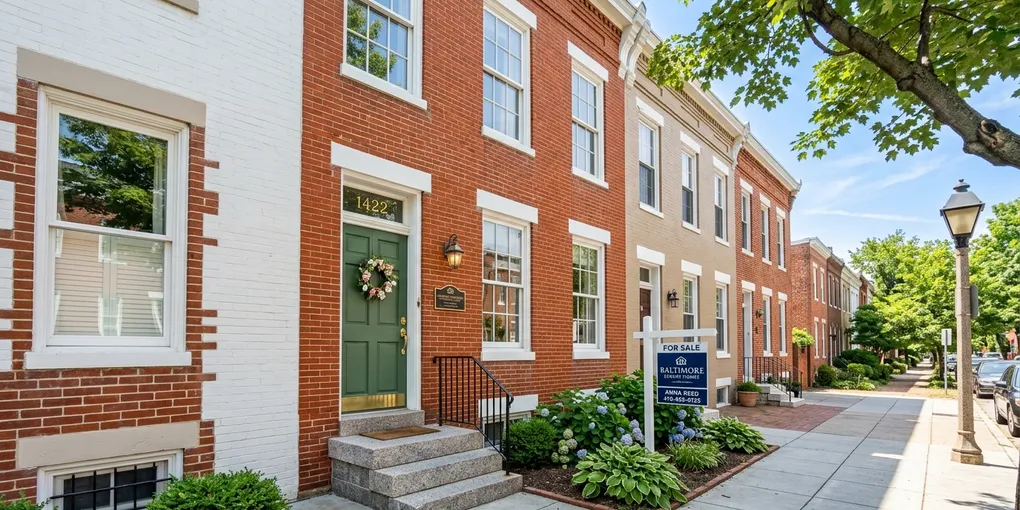
Charm City’s real estate landscape offers some of the most distinctive residential architecture on the East Coast. From iconic 19th-century flat-roof brick rowhomes with marble steps in Canton, Federal Hill, and Fells Point, to grand Victorian and Queen Anne properties in Charles Village, and historic slate-roofed estates in Roland Park and Guilford, purchasing real estate in Baltimore represents a deep connection to historic living.
However, behind the classic red brick facades and charming rooftop decks lies a frequent and expensive pitfall: historic Baltimore roofing assemblies are uniquely vulnerable to hidden, structural water damage.
Baltimore’s coastal-adjacent Mid-Atlantic climate delivers punishing weather year-round. Harsh winter freeze-thaw cycles, fierce coastal Nor’easters bringing heavy wet snow and ice damming, and suffocating summer humidity put relentless pressure on flat membranes, masonry parapets, and century-old drainage systems. When an aging flat roof fails in a dense urban rowhouse setting, water doesn’t simply damage drywall—it travels silently along shared brick party walls, rots 100-year-old floor joists, and creates massive financial liability.
Local real estate attorneys and buyer’s brokers regularly see how buyers navigate buyers inherit catastrophic roofing nightmares because they failed to understand Maryland’s unique statutory disclosure laws and missed critical red flags buried in disclosure documents. In this comprehensive guide, we unpack the mechanics of Baltimore rowhouse roof decay, analyze the critical Maryland Disclosure vs. Disclaimer dilemma, and reveal how to spot deceptive seller disclosures before your inspection contingency expires.
The Anatomy of Baltimore Roof Failures: Flat Membranes, Masonry Parapets, and Urban Drainage
To accurately evaluate a Baltimore roof, you must understand the interplay between historic masonry construction, flat roofing materials, and Mid-Atlantic weather patterns.
The Historic Rowhouse Flat Roof: Modified Bitumen and Rubber EPDM
Unlike suburban pitched roofs that naturally shed water via gravity, traditional Baltimore rowhomes feature low-slope or dead-flat roofs designed to channel water to the rear of the structure:
- Built-Up and Modified Bitumen Aging: Many older Baltimore properties still have multi-ply built-up asphalt roofs (BUR) or torch-down modified bitumen membranes. As these systems surpass 15 to 20 years, ultraviolet exposure and thermal expansion cause “alligatoring”—a network of hairline surface cracks resembling reptile skin. Once water penetrates these fissures, winter freezes expand the ice, tearing the underlying fabric plies apart.
- The “Silver Coat” Band-Aid: In Baltimore rowhouse neighborhoods, applying aluminum reflective roof coating (commonly called “silver coat”) is a routine maintenance practice. While silver coating protects asphalt membranes from UV radiation, unscrupulous sellers and flippers frequently use thick coats of silver paint to cosmetically conceal rotted seams, water blisters, and severe membrane cracking right before listing a home for sale.
- EPDM Rubber Membrane Seam Failure: Newer installations often utilize black EPDM rubber or white TPO single-ply membranes. While durable, EPDM is held together by contact adhesive or seam tape. In Baltimore’s humid summers, standing water along seams dissolves aging adhesive, allowing moisture to slip silently underneath without any visible tear on the surface.
Parapet Walls, Mortar Decay, and Capstone Infiltration
In rowhouse architecture, your roof does not terminate at an open eave; it abuts raised brick parapet walls separating you from your neighbors:
- Mortar Joint Erosion: Freezing rain and ice repeatedly seep into the lime mortar between historic bricks. Over decades, mortar washes out, leaving hollow cavities. Water entering the top of a parapet bypasses the roofing membrane entirely, running downward inside the brick party wall and emerging on ceilings two floors below.
- Defective Counter-Flashing: The metal flashing joining the flat roof membrane to the brick parapet must be professionally tucked into the mortar joints. In DIY or amateur renovations, contractors often smear cheap roof tar directly against the brick without proper reglet metal counter-flashing. Within two seasons, the tar shrinks and pulls away from the masonry.
Rear Scuppers and Internal Downspout Clogging
Baltimore rowhomes rely on narrow drainage scuppers cut through rear parapets or internal downspout conductor pipes running through the center of the house:
- Debris and Ice Dams: Autumn leaves and winter slush easily choke narrow 4-inch scuppers. When water cannot exit, it pools several inches deep. Flat roofs are water-resistant, not submarine hulls—prolonged ponding water exerts tremendous hydrostatic pressure that forces water through minor seam imperfections.
- Internal Drainpipe Ruptures: In rowhouses with interior roof drains, cast-iron conductor pipes running behind bedroom walls can freeze, crack, or rust out, flooding living spaces from the inside out.
Tired of manually reading 200-page disclosures?
Let DisclosurePro AI scan your documents for hidden termite damage, structural issues, and unpermitted work in 10 seconds. Try it free today.
Maryland Real Estate Disclosure Laws: The Disclosure vs. Disclaimer Trap
Maryland real estate law features a critical statutory framework that catching unsuspecting homebuyers off guard.
Maryland Real Property Code Section 10-702
Under Maryland Real Property Code § 10-702, sellers of residential single-family real estate must provide the buyer with a standardized document produced by the Maryland Real Estate Commission (MREC): the Maryland Residential Property Disclosure and Disclaimer Statement.
Here is the trap: Maryland law gives sellers a legal choice. A seller may elect to complete either the Disclosure Statement OR the Disclaimer Statement:
1. The Disclosure Statement
If the seller elects to complete the Disclosure Statement, they must answer detailed questions based on their actual knowledge:
- Age of roof and roofing material.
- History of roof leaks, repairs, or standing water.
- Structural defects in ceilings, walls, or rafters.
- Water seepage or dampness along exterior or party walls.
2. The Disclaimer Statement (The “As-Is” Loophole)
Crucially, Maryland allows sellers to execute a Disclaimer Statement instead. By selecting the Disclaimer, the seller makes no representations or warranties whatsoever regarding the condition of the property or its components—including the roof. The buyer purchases the property strictly “as is,” subject only to one narrow statutory exception: latent defects.
What Constitutes a “Latent Defect” in Maryland?
Under Maryland law, a latent defect is defined as a material defect in the property that:
- Poses a direct threat to the health or safety of an occupant, and
- Is not observable through careful visual inspection by a purchaser.
If an investor flips a rowhouse in Patterson Park and signs a Disclaimer Statement, they are legally exempt from disclosing that the roof is 25 years old and nearing collapse, provided they claim they didn’t know or argue that a roof inspector could have discovered it. Proving in a Maryland court that a seller had actual knowledge of a concealed roof defect and intentionally failed to disclose a latent safety hazard is notoriously challenging and financially draining.
Evasive Terminology in Baltimore Disclosures
When Baltimore sellers do complete disclosures, watch for these common euphemisms:
- “Roof freshly coated with reflective coating in 2025” — Frequently masks active leaks beneath an unbonded layer of silver paint.
- “Minor cosmetic ceiling touch-up in 3rd-floor bedroom” — Masks active water penetration tracking down party wall brickwork.
- “Rooftop deck installed for skyline views” — Often conceals that lag bolts were driven directly through the rubber roofing membrane without watertight flashing boots.
- “Seller has not occupied property; sold via Disclaimer” — The universal red flag indicating flippers or absentee landlords who refuse to warrant structural integrity.
The Manual Review Problem: Battling the Maryland Contingency Window
In standard Maryland REALTORS® contracts, buyers typically negotiate a Property Inspections Addendum providing 7 to 14 calendar days to perform physical due diligence, review documents, and issue repair demands.
During this frantic period, buyers must review:
- The complex MREC Disclosure/Disclaimer Statement.
- The 60-to-100-page property inspection report with hundreds of photos.
- Baltimore City Commission for Historical and Architectural Preservation (CHAP) restrictions (which strictly regulate exterior alterations and roofing materials in designated historic districts).
- Baltimore City Department of Housing & Community Development (DHCD) permitting records to determine whether rooftop decks or structural alterations were properly permitted.
- Homeowners association or condo resale packets in developments like Harbor East or Canton Cove.
Because urban rowhouses are often 3 to 4 stories tall with no interior attic crawlspace, general home inspectors routinely disclaim the roof: “Roof viewed from alley with binoculars due to height; recommend licensed roofing contractor evaluation.” If an exhausted buyer skims past this disclaimer without ordering a dedicated ladder or drone roof inspection, they remain completely blind to hidden rot.
Financial Impact: A Real-World Canton Rowhouse Case Study
To understand the catastrophic financial risks of missing roof red flags in Baltimore, examine this realistic scenario from a purchase in Canton.
The Acquisition
Greg and Emily purchased an attractive 3-story brick rowhouse in Canton for $435,000. Built in 1915, the home featured exposed interior brick, hardwood floors, and a private fiberglass rooftop deck offering harbor views.
The seller, a regional renovation entity, provided a Maryland Disclaimer Statement, noting simply: “Property sold as-is; roof freshly resealed with elastomeric aluminum coating in spring 2025.” The general home inspector climbed out onto the rooftop deck but could only view portions of the perimeter roof edge, reporting: “Silver coating appears bright and reflective; no active ceiling stains noted in finished third-floor bedroom.” Relieved, Greg and Emily closed on the purchase.
The Nor’easter Catastrophe
In January, an intense Mid-Atlantic Nor’easter battered Baltimore with 48 hours of freezing rain, sleet, and 50-mph coastal winds, followed by 10 inches of wet snow.
Three days later, as the snow melted, water began cascading through the tongue-and-groove pine ceiling of the third-floor master bedroom. The water migrated behind the exposed brick party wall, saturating the historic brickwork and collapsing plaster onto the second-floor living space.
An emergency commercial roofing contractor responded and uncovered extensive concealed failure:
- The seller had applied a heavy layer of silver paint directly over ancient, dry-rotted modified bitumen roofing that had separated from the rear parapet wall.
- The rooftop deck framing posts had been anchored directly through the roof membrane with raw lag bolts, creating 16 unsealed penetration holes that funneled melting snow into the ceiling cavity.
- The mortar along the upper brick parapet had decomposed completely, allowing driven snow to bypass flashings entirely.
- Moisture trapped beneath the deck had completely rotted six 100-year-old wood roof joists, creating a catastrophic collapse hazard.
The Financial Devastation
Because the seller signed a Disclaimer Statement and dissolved their entity shortly after settlement, Greg and Emily had no legal recourse. They paid for structural emergency reconstruction out-of-pocket:
| Expense Item | Cost |
|---|---|
| Complete disassembly and disposal of unpermitted rooftop deck | $6,200 |
| Emergency shoring and structural sistering of six decayed roof joists | $9,800 |
| Tear-off of three layers of failing bitumen down to historic tongue-and-groove decking | $8,500 |
| Installation of 2-ply SBS modified bitumen system with high-temp edge flashings | $14,200 |
| Brick parapet repointing and custom copper coping capstone fabrication | $5,600 |
| Interior historic brick desiccation, plaster restoration, and electrical rewiring | $7,400 |
| Baltimore City DHCD structural permits and CHAP historic compliance review | $900 |
| Total Devastation | $52,600 |
Frequently Asked Questions about Roof Issues in Baltimore
1. Does a silver-coated roof in Baltimore mean the roof is in good condition?
Not necessarily. Aluminum reflective coating (“silver coat”) is designed to reflect UV rays and reduce thermal heat gain, but it is not a waterproofing membrane on its own. Sellers and property flippers frequently apply a cheap $150 bucket of silver paint over cracked, blistered, or leaking roofing membranes immediately before listing a property. Always verify the age and condition of the underlying roofing material beneath the coating.
2. What are the rules for rooftop decks in Baltimore rowhouses?
Rooftop decks in Baltimore City require strict permitting from the Department of Housing & Community Development (DHCD) and, if in a historic district, approval from CHAP. Structurally, deck posts should never penetrate flat roof membranes directly without engineered pitch pockets or custom welded stanchions tied into structural load-bearing walls. Unpermitted rooftop decks frequently cause chronic water infiltration and structural joist rot.
3. How do I protect myself if a Baltimore seller gives me a Disclaimer Statement?
If a seller provides a Maryland Disclaimer Statement, treat the property as having zero seller warranty. You must hire an independent licensed roofing contractor who specializes in urban flat roofs to walk the surface, inspect the parapet masonry, test scuppers, and inspect deck attachments. Do not rely solely on a standard general home inspection, which often disclaims high flat roofs.
4. Who is responsible if water leaks into my Baltimore rowhome from a shared party wall?
Water entering through a shared party wall or shared parapet capstone between adjacent rowhouses is a complex legal issue in Baltimore. If the leak originates on your neighbor’s portion of the roof or due to their unmaintained parapet, they may be liable under Maryland tort law for negligence or nuisance. However, resolving party-wall disputes often requires joint contractor inspections, mediation, or legal intervention, making early identification of party-wall moisture during due diligence critical.