
The Ultimate Guide to Spotting Termite Damage in Albuquerque Real Estate Disclosures
The Desert’s Hidden Destroyers: Termites in Albuquerque
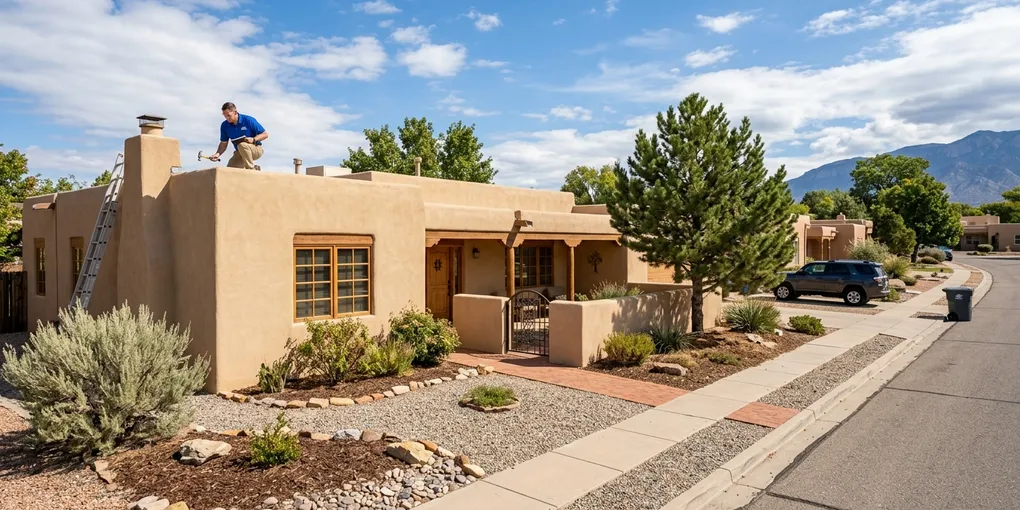
When buying a home in Albuquerque, you might think the dry, arid climate of the high desert would keep wood-destroying pests at bay. Unfortunately, this is a dangerous misconception. Albuquerque is highly susceptible to subterranean termites and, occasionally, drywood termites. While the beautiful Pueblo Revival and Territorial style homes feature stucco exteriors, their underlying structures, roof vigas, and framing are made of wood—a veritable feast for these silent destroyers.
Subterranean termites in New Mexico build their colonies deep underground to escape the desert heat and search relentlessly for moisture and cellulose (wood). They can enter a home through cracks in the concrete slab or foundation as small as 1/32 of an inch. Because Albuquerque homes heavily rely on irrigation systems for landscaping, the soil around the foundation is often artificially moist, creating a perfect highway for termites. Understanding how to interpret property disclosures to spot past or present termite activity is absolutely critical for any Albuquerque homebuyer.
Tired of manually reading 200-page disclosures?
Let DisclosurePro AI scan your documents for hidden termite damage, structural issues, and unpermitted work in 10 seconds. Try it free today.
New Mexico Real Estate Disclosure Laws
In New Mexico, the law requires sellers to act in good faith and disclose any known material defects about the property. This is typically done using the New Mexico Association of Realtors (NMAR) Property Disclosure Statement. This comprehensive form requires the seller to answer specific questions regarding the condition of the home, including the roof, foundation, plumbing, and pest infestations.
The disclosure form explicitly asks if the seller is aware of any past or present wood-destroying insect infestations or if there has been any damage caused by them. It also asks if the property has been treated. However, a seller is only required to disclose what they actually know. If a homeowner has never inspected their crawlspace or attic, they can truthfully claim ignorance. Furthermore, sellers often list “routine pest control” without specifying that it included trenching and drilling for a major termite infestation.
The Manual Review Problem: Decoding the Desert Disclosures
Reviewing a real estate disclosure packet is a grueling process. Buyers receive hundreds of pages containing title reports, HOA documents, inspection summaries, and the seller’s disclosure statement. When manually reviewing these documents, fatigue sets in, making it incredibly easy to gloss over a crucial detail.
Sellers and their agents are adept at framing negatives as positives or minor maintenance items. A disclosure might mention “replaced baseboards in the guest bedroom” or “fixed a minor leak and repaired drywall.” To the untrained eye, this looks like diligent homeownership. But to an expert, unexplained wood replacement near a moisture source is a massive red flag for termite damage. Finding these subtle clues buried on page 47 of a PDF requires intense focus that most buyers simply do not have time for.
Case Study: The Nob Hill Nightmare
Consider the story of a hypothetical homebuyer, David, who purchased a charming 1940s home in Albuquerque’s historic Nob Hill neighborhood. The seller’s disclosure noted “roof leak repaired in 2020, damaged fascia boards replaced.” David assumed the issue was isolated to the roof and proceeded with the purchase, opting for a standard home inspection but skipping the specialized termite inspection to save time.
A year later, David decided to remodel the living room. When the contractor opened the wall beneath where the old roof leak had occurred, they found total devastation. Subterranean termites had followed the moisture from the roof leak all the way down the wall framing, hollowing out the studs and the sill plate. The “fascia board replacement” mentioned in the disclosure was just the tip of the iceberg; the seller had fixed the visible water damage but ignored the termite colony it attracted. David was forced to spend $28,000 on structural framing repairs and a whole-house termite treatment—a financial disaster that could have been avoided.
Frequently Asked Questions about Termites in Albuquerque
Are termites common in Albuquerque’s dry climate?
Yes. Subterranean termites are very common in Albuquerque. They live underground and use the moisture from irrigated lawns and gardens to survive and access the wood in your home.
What should I look for in the New Mexico Property Disclosure Statement?
Look for any mentions of “past pest treatments,” “drilled holes in concrete slab” (a sign of termite treatment), “moisture issues,” or unexplained “wood replacement” around the foundation or roof line.
Should I get a specialized termite inspection?
Absolutely. A standard home inspection is not enough. You should always hire a licensed pest control operator to perform a Wood Destroying Insect (WDI) report before closing on a home in Albuquerque.
Protect Your Investment with DisclosurePro AI
Don't rely on a hasty, manual read-through to protect your life savings. Upload your 100+ page disclosure packet, and our advanced AI will scan the entire document in seconds to find hidden structural red flags, unpermitted work, and pest damage.